

What is the bending tool wear rate of a 2D wire bending machine?
Leave a message

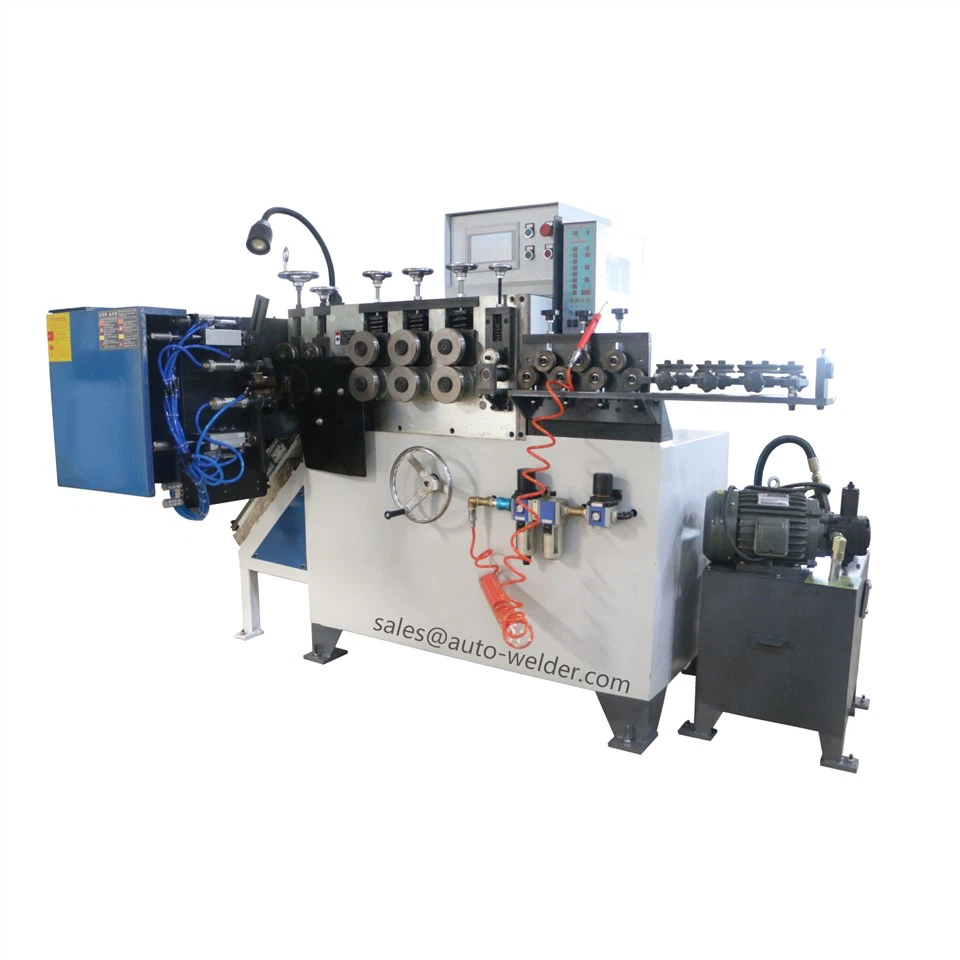
In the manufacturing industry, 2D wire bending machines play a crucial role in shaping wires into various forms for a wide range of applications. As a leading supplier of 2D wire bending machines, I am often asked about the bending tool wear rate of these machines. Understanding this aspect is essential for both machine operators and manufacturers, as it directly impacts production efficiency, cost, and the quality of the final products.
Factors Affecting the Bending Tool Wear Rate
The wear rate of bending tools in a 2D wire bending machine is influenced by multiple factors. One of the primary factors is the material of the wire being bent. Different wire materials have varying hardness and ductility, which can significantly affect the wear on the bending tools. For instance, bending high - carbon steel wires is more likely to cause rapid tool wear compared to softer materials like aluminum wires. High - carbon steel has a higher hardness, and as the wire is bent, it exerts more force on the bending tools, leading to increased friction and abrasion.
The bending radius also plays a vital role. Smaller bending radii require more force to bend the wire, which in turn increases the stress on the bending tools. When the wire is bent at a sharp angle, the contact area between the wire and the tool is smaller, concentrating the force and causing more rapid wear. On the other hand, larger bending radii distribute the force more evenly, resulting in less wear on the tools.
The speed of the bending process is another important factor. Higher bending speeds can lead to increased tool wear. At high speeds, the impact between the wire and the bending tool is more intense, generating more heat and friction. This heat can cause the tool material to soften, making it more susceptible to wear. Additionally, high - speed bending may also lead to vibrations, which can further accelerate tool wear.
The quality of the bending tools themselves is a critical determinant of the wear rate. Tools made from high - quality materials with good hardness, toughness, and wear resistance will generally have a lower wear rate. For example, tools made from carbide alloys are known for their excellent wear resistance and can withstand the harsh conditions of wire bending operations better than tools made from ordinary steel.
Measuring the Bending Tool Wear Rate
Measuring the bending tool wear rate accurately is essential for predicting tool life and scheduling maintenance. There are several methods to measure tool wear. One common method is to measure the dimensional changes of the tool over time. As the tool wears, its dimensions, such as the radius of the bending tip or the width of the tool, will change. By regularly measuring these dimensions using precision measuring instruments like calipers or micrometers, the wear rate can be calculated.
Another method is to monitor the surface condition of the tool. Visual inspection can reveal signs of wear, such as scratches, cracks, or material loss on the tool surface. Advanced techniques, such as using a microscope or a surface profilometer, can provide more detailed information about the surface roughness and the extent of wear.
In some cases, it is also possible to measure the wear rate indirectly by monitoring the performance of the bending machine. For example, an increase in the power consumption of the machine during the bending process may indicate increased friction due to tool wear. Similarly, a decrease in the quality of the bent wires, such as inconsistent bending angles or surface defects, can be a sign of tool wear.
Impact of Tool Wear on Production
Excessive tool wear can have a significant impact on production. Firstly, it affects the quality of the bent wires. As the tool wears, the accuracy of the bending process decreases. The bending angles may become inconsistent, and the surface finish of the wires may deteriorate. This can lead to a higher rejection rate of the final products, increasing production costs and reducing customer satisfaction.
Secondly, tool wear can reduce production efficiency. Worn - out tools require more force to bend the wire, which can slow down the bending process. Additionally, frequent tool changes due to excessive wear can cause production downtime, further reducing the overall output of the machine.
From a cost perspective, tool wear is a major expense. Replacing worn - out tools regularly can add up to a significant cost over time. Moreover, the cost of lost production due to tool - related issues can also be substantial. Therefore, minimizing tool wear is crucial for optimizing production costs.
Strategies to Reduce the Bending Tool Wear Rate
To reduce the bending tool wear rate, several strategies can be implemented. Firstly, proper selection of wire materials and bending parameters is essential. Choosing the appropriate wire material based on the application requirements and adjusting the bending radius and speed according to the tool's capabilities can help reduce the stress on the tools.
Regular maintenance of the bending machine and the tools is also crucial. This includes cleaning the tools after each use to remove any debris or contaminants that can cause abrasion. Lubrication is another important aspect of maintenance. Applying a suitable lubricant to the bending tools can reduce friction and heat generation, thereby extending the tool life.

Investing in high - quality bending tools is a long - term cost - effective strategy. Although high - quality tools may have a higher initial cost, their lower wear rate and longer service life can result in significant savings in the long run.
Our 2D Wire Bending Machines and Related Products
As a supplier of 2D wire bending machines, we are committed to providing high - quality machines and solutions to our customers. Our machines are designed with advanced technology to ensure precise and efficient wire bending operations. We also offer a range of related products, such as the Fan Net Forming Machine, Steel Ring Welding Machine, and Ring Making With Welding Machine. These products are designed to work seamlessly with our 2D wire bending machines, providing a comprehensive solution for wire forming applications.
Conclusion
In conclusion, understanding the bending tool wear rate of a 2D wire bending machine is crucial for manufacturers and machine operators. By considering the factors that affect tool wear, implementing effective measurement methods, and adopting strategies to reduce wear, production efficiency can be improved, and production costs can be minimized. As a reliable supplier of 2D wire bending machines and related products, we are here to support you in optimizing your wire bending operations. If you are interested in our products or have any questions about the bending tool wear rate or wire bending in general, please feel free to contact us for a detailed discussion and potential procurement opportunities.
References
- Smith, J. (2018). "Tool Wear in Metal Forming Processes." Journal of Manufacturing Technology, 25(3), 123 - 135.
- Johnson, R. (2019). "Factors Affecting the Wear of Bending Tools in Wire Forming Machines." International Journal of Production Engineering, 32(2), 89 - 98.
- Brown, A. (2020). "Strategies for Reducing Tool Wear in Manufacturing Processes." Manufacturing Science Review, 15(4), 76 - 85.


