

How to optimize the bending process of a 2D wire bending machine?
Leave a message

Hey there! As a supplier of 2D wire bending machines, I've seen firsthand the importance of optimizing the bending process. It not only boosts efficiency but also improves the quality of the final products. So, let's dive into how you can make the most out of your 2D wire bending machine.
Understanding the Basics
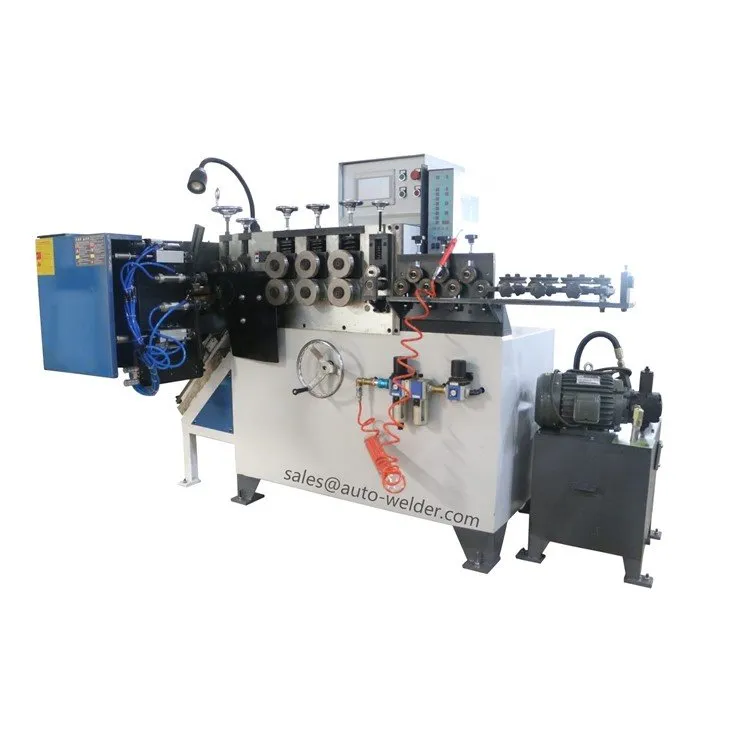
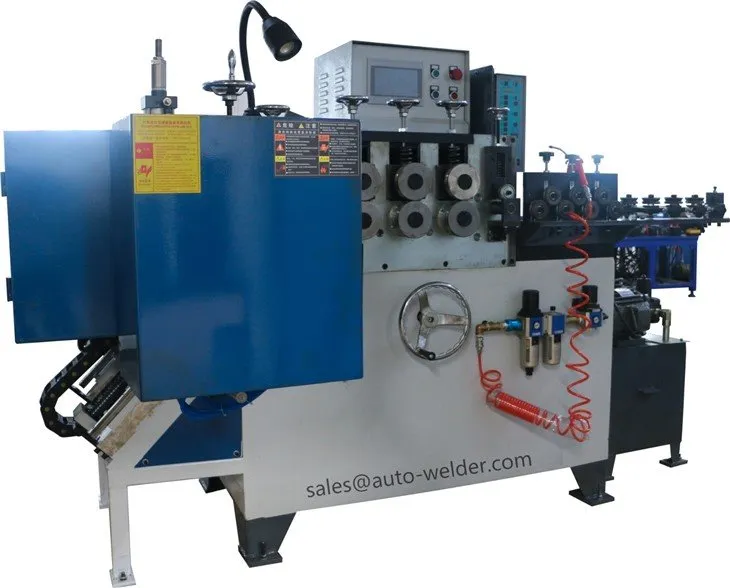
First things first, you need to have a solid grasp of how your 2D wire bending machine works. These machines are designed to bend wires into various shapes in a two - dimensional plane. They usually come with a set of tools like bending dies and rollers that work together to shape the wire.
The key components of a 2D wire bending machine include the wire feeder, which delivers the wire to the bending area at a consistent speed, and the bending unit, which actually does the bending. The control system is also crucial as it allows you to program the desired bending angles and lengths.
Material Selection
The type of wire you use can have a huge impact on the bending process. Different materials have different properties such as ductility, hardness, and elasticity. For example, copper wires are more ductile than steel wires, which means they can be bent more easily without breaking.
When selecting the wire, consider the final application of the bent product. If it needs to withstand a lot of stress, you might want to choose a stronger material like high - carbon steel. On the other hand, if flexibility is the key, a softer material like aluminum could be a better choice.
Tooling Optimization
The right tooling is essential for a smooth bending process. Bending dies, in particular, need to be carefully selected and maintained. The shape and size of the dies should match the desired bend radius and wire diameter.
Worn - out dies can cause problems like uneven bends, surface scratches on the wire, and even breakage. So, make sure to regularly inspect and replace your dies as needed. Also, using lubricants on the dies can reduce friction, which in turn makes the bending process more efficient and extends the life of the dies.
Programming and Setup
Most modern 2D wire bending machines come with advanced control systems that allow you to program the bending sequence. Take the time to learn how to use the programming software effectively. You can create complex bending patterns with precise angles and lengths, which can significantly improve the accuracy of your products.
Before starting the bending process, do a proper setup. Check the alignment of the wire feeder and the bending unit. Make sure the wire is fed straight and there are no kinks or tangles. A misaligned setup can lead to inconsistent bends and wasted materials.
Speed and Feed Rate
Finding the right balance between speed and feed rate is crucial. Running the machine too fast can cause the wire to break or result in inaccurate bends. On the other hand, running it too slow can reduce productivity.
Start with a conservative speed and feed rate and gradually increase them as you monitor the quality of the bends. You can also adjust the speed and feed rate based on the type of wire and the complexity of the bending pattern. For example, when bending a thick wire or creating a tight bend, you might need to slow down the machine.
Quality Control
Implementing a quality control system is a must. Regularly inspect the bent products for any defects such as cracks, uneven bends, or incorrect dimensions. You can use measuring tools like calipers and protractors to check the accuracy of the bends.
If you notice any issues, stop the machine immediately and troubleshoot the problem. It could be due to a worn - out tool, incorrect programming, or a misaligned setup. By catching and fixing these issues early, you can avoid producing a large number of defective products.
Maintenance and Upkeep
A well - maintained machine is a happy machine. Regular maintenance can prevent breakdowns and ensure the longevity of your 2D wire bending machine. This includes cleaning the machine regularly to remove any debris or dust that could affect its performance.
Lubricate the moving parts as recommended by the manufacturer. Check the belts, chains, and gears for wear and tear and replace them if necessary. Also, keep an eye on the electrical components and make sure they are functioning properly.
Advanced Techniques and Accessories
There are some advanced techniques and accessories that can further optimize the bending process. For example, using a Fan Net Forming Machine can help you create complex fan - shaped wire structures more efficiently.
A Steel Ring Welding Machine can be used to weld the ends of bent wires to form rings, which can be useful in many applications. And if you need to produce a large number of rings, a Ring Making And Welding Machines can significantly increase your productivity.
Conclusion
Optimizing the bending process of a 2D wire bending machine takes time and effort, but the rewards are well worth it. By understanding the basics, selecting the right materials and tools, programming the machine correctly, and implementing quality control and maintenance, you can improve the efficiency and quality of your wire bending operations.
If you're looking to take your wire bending business to the next level, I'd love to have a chat with you. Whether you're in the market for a new 2D wire bending machine or need some advice on optimizing your current process, don't hesitate to reach out for a procurement discussion. Let's work together to make your wire bending operations more successful!
References
- "Wire Bending Technology Handbook" - A comprehensive guide on wire bending processes and techniques.
- Manufacturer's manuals for 2D wire bending machines. These manuals provide detailed information on machine operation, maintenance, and troubleshooting.


