

What are the disadvantages of using a wire bending machine?
Leave a message

Hey there! I'm a supplier of wire bending machines, and while these machines are super useful in various industries, they're not without their downsides. In this blog, I'll break down some of the disadvantages of using a wire bending machine.
High Initial Investment
One of the biggest drawbacks of getting a wire bending machine is the high upfront cost. These machines are complex pieces of equipment with advanced technology, and that comes at a price. Whether you're looking at a Fan Net Forming Machine, a Wire Straightening and Cutting Machine, or a Ring Making And Welding Machines, you're going to have to shell out a significant amount of money. For small businesses or startups with tight budgets, this can be a real deal - breaker. It's not just the cost of the machine itself; you also need to factor in installation costs, training for your staff, and any additional tooling or software that might be required.
Maintenance and Repairs
Wire bending machines are mechanical beasts, and like any mechanical device, they need regular maintenance. This includes things like lubricating moving parts, checking for wear and tear on components, and calibrating the machine to ensure accurate bends. Maintenance can be time - consuming and expensive. You'll need to hire trained technicians or send your staff for specialized maintenance training.
And when something goes wrong, repairs can be a nightmare. Parts for wire bending machines can be expensive and hard to source, especially if you have an older or less common model. Downtime during repairs can also be a major headache. If your machine breaks down, your production line comes to a halt, which means lost time and lost money.
Limited Flexibility
While wire bending machines are great at what they're designed to do, they can be pretty limited in terms of flexibility. Most machines are programmed to make specific types of bends or shapes. If you need to change the design of your wire products frequently, you might find yourself struggling. Reprogramming the machine can be a complex and time - consuming process. It often requires a skilled operator who understands the machine's programming language and software.
Moreover, the size and type of wire that a machine can handle are usually restricted. If you work with a wide range of wire diameters or materials, you might need multiple machines, which adds to your costs.
Operator Skill Requirements
Operating a wire bending machine isn't a walk in the park. It requires a certain level of skill and expertise. An operator needs to understand how to program the machine, set up the tooling, and troubleshoot any issues that might arise during the bending process. Training an operator can take weeks or even months, depending on the complexity of the machine.
Even after training, human error can still occur. A small mistake in programming or setup can result in a batch of defective products. This not only wastes materials but also takes up valuable production time.
Safety Concerns
Wire bending machines are powerful pieces of equipment, and they come with inherent safety risks. The moving parts of the machine can cause serious injuries if proper safety precautions aren't taken. Workers need to be trained on how to use safety guards, emergency stop buttons, and other safety features.
There's also the risk of electrical hazards, especially if the machine isn't properly maintained or grounded. And when working with sharp wires, there's always a danger of cuts and punctures. Ensuring a safe working environment around a wire bending machine requires constant vigilance and strict safety protocols.
Noise and Vibration
These machines can be incredibly noisy and generate a lot of vibration. The noise can be a nuisance for workers, and prolonged exposure to high - level noise can lead to hearing loss. Vibration can also cause problems. It can affect the accuracy of the bends over time, and it can also lead to premature wear and tear on the machine's components.
To mitigate these issues, you might need to invest in noise - reducing enclosures and vibration - dampening equipment, which adds to the overall cost of using the machine.
Environmental Impact
Wire bending machines use a significant amount of energy, especially if they're running continuously. This contributes to higher energy bills and also has an environmental impact. Additionally, the production of wire and the operation of the machine can generate waste materials, such as scrap wire. Proper disposal of these waste materials is essential to avoid environmental pollution, but it can also be costly.

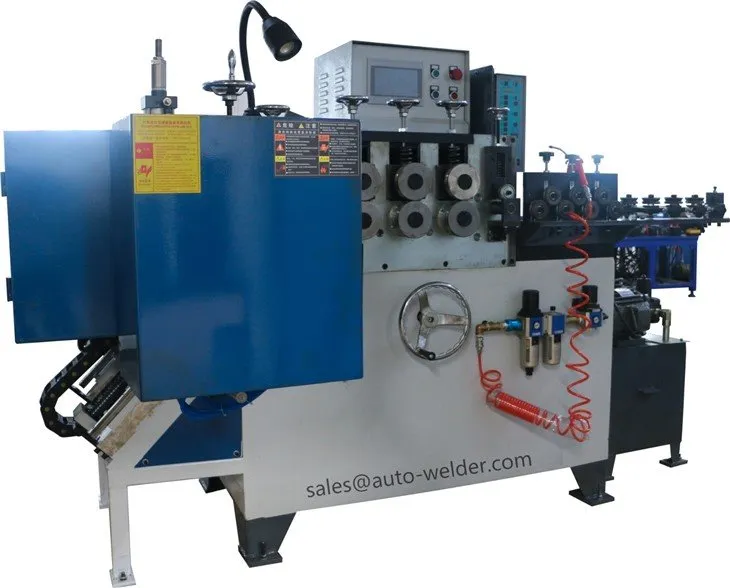
Despite these disadvantages, wire bending machines are still an essential tool in many industries. They offer high - speed production, precision bends, and the ability to mass - produce wire products. If you're considering purchasing a wire bending machine, it's important to weigh these drawbacks against the benefits.
If you're still interested in exploring wire bending machines for your business, I'd love to have a chat with you. We can discuss your specific needs and see if we can find a solution that works for you. Don't hesitate to reach out to start a procurement discussion.
References
- General knowledge of the wire - forming industry and experience as a wire bending machine supplier.
- Industry reports on the operation and maintenance of wire bending machines.


