

What is the minimum width of bandsaw blades that a bandsaw blade butt welder can weld?
Leave a message

When it comes to the world of metalworking and fabrication, bandsaw blades play a crucial role. These blades are used in a variety of industries, from woodworking to metal cutting, and their performance often depends on the quality of the welds that join the ends of the blade to form a continuous loop. As a leading supplier of Bandsaw Blade Butt Welders, we understand the importance of providing high - quality welding equipment that can handle different blade widths. In this blog post, we'll explore the minimum width of bandsaw blades that a bandsaw blade butt welder can weld.
The Basics of Bandsaw Blade Butt Welding
Before delving into the minimum blade width, it's essential to understand how bandsaw blade butt welding works. Bandsaw blade butt welding is a process that joins the two ends of a bandsaw blade together to form a continuous loop. This is typically done using a butt welder, which applies pressure and heat to the blade ends, causing them to fuse together. The quality of the weld is crucial as it affects the blade's performance, durability, and cutting accuracy.
Factors Affecting the Minimum Weldable Blade Width
Several factors influence the minimum width of bandsaw blades that a bandsaw blade butt welder can weld. These factors include the design and capabilities of the welder, the type of blade material, and the welding process used.
Welder Design and Capabilities
The design of the bandsaw blade butt welder plays a significant role in determining the minimum weldable blade width. Some welders are designed to handle a wide range of blade widths, while others are more specialized. For example, our Manual Butt Welding Machine is a versatile machine that can handle a relatively wide range of blade widths. It is equipped with adjustable clamping mechanisms and precise control systems that allow for accurate welding of different blade sizes.
The power output of the welder also affects the minimum weldable width. A welder with higher power can generate more heat, which is necessary for welding thicker and wider blades. However, even high - power welders have limitations when it comes to very narrow blades. The electrodes and clamping systems of the welder need to be able to make proper contact with the blade ends, and this can be challenging for extremely narrow blades.
Blade Material
The type of material used in the bandsaw blade also impacts the minimum weldable width. Different blade materials have different melting points, thermal conductivities, and mechanical properties. For example, high - speed steel (HSS) blades are commonly used in metal cutting applications. These blades have a relatively high melting point and require more heat to weld compared to carbon steel blades.
When welding narrow HSS blades, the heat needs to be carefully controlled to prevent overheating and damage to the blade. The welder must be able to deliver the right amount of energy to the blade ends without causing excessive distortion or weakening of the material. On the other hand, carbon steel blades are easier to weld due to their lower melting point, and a welder may be able to handle narrower carbon steel blades compared to HSS blades.
Welding Process
There are different welding processes used in bandsaw blade butt welding, such as flash butt welding and friction welding. Flash butt welding is a common method where an electrical current is passed through the blade ends, causing them to heat up and melt. The molten metal is then forced together under pressure to form a weld.
Friction welding, on the other hand, involves rubbing the blade ends together at high speed to generate heat through friction. This heat causes the material to soften and fuse together. The choice of welding process can affect the minimum weldable blade width. Flash butt welding may be more suitable for wider blades as it can generate a large amount of heat quickly. Friction welding, however, can be more precise and may be able to handle narrower blades due to its ability to control the heat generation more accurately.
Typical Minimum Blade Widths for Different Welders
Based on our experience as a Bandsaw Blade Butt Welder supplier, we can provide some general guidelines on the typical minimum blade widths for different types of welders.
For our Steel Ring Butt Welding Machine, which is designed for welding steel rings and bandsaw blades, the minimum blade width it can handle is usually around 3mm. This machine is optimized for welding relatively small - to - medium - sized blades and is equipped with advanced control systems to ensure high - quality welds.
Our Steel Bar Butt Welder can typically handle bandsaw blades with a minimum width of about 5mm. This welder is designed for more heavy - duty applications and is capable of welding thicker and wider blades. However, it also has the ability to handle moderately narrow blades, thanks to its precise clamping and welding mechanisms.
Importance of Choosing the Right Welder for the Blade Width
Choosing the right bandsaw blade butt welder for the blade width is crucial for achieving high - quality welds. If a welder is not capable of handling the minimum blade width, it can result in poor weld quality, such as incomplete fusion, porosity, or excessive distortion. These defects can lead to premature blade failure, reduced cutting performance, and increased production costs.
On the other hand, using a welder that is too powerful or too large for the blade width can also cause problems. Excessive heat can damage the blade material, and the clamping forces may be too strong for the narrow blade, leading to deformation. Therefore, it's important to carefully consider the blade width and other factors when selecting a bandsaw blade butt welder.
How to Determine the Minimum Weldable Width for Your Application
If you're unsure about the minimum width of bandsaw blades that a particular welder can handle for your specific application, there are a few steps you can take.

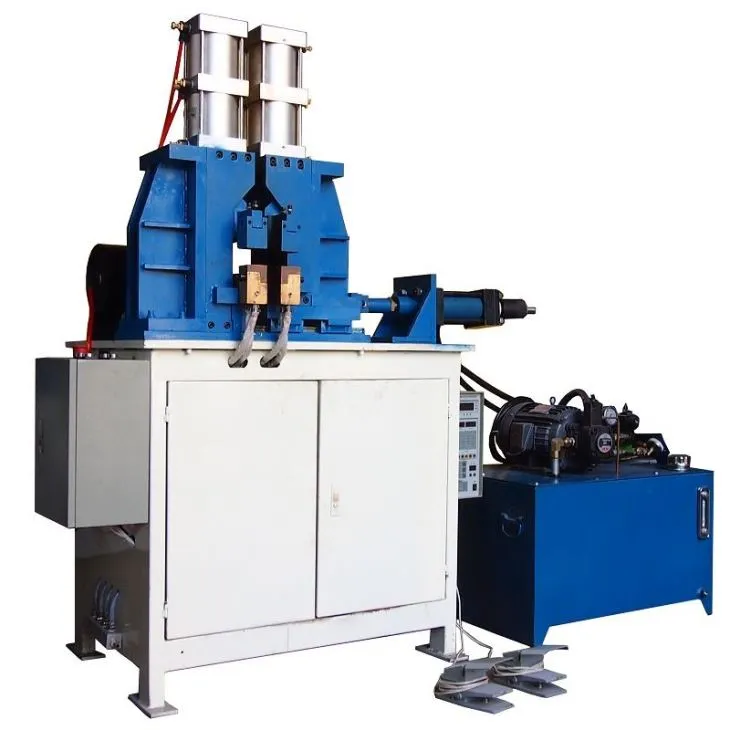
First, consult the manufacturer's specifications. As a supplier, we provide detailed information about the capabilities of our welders, including the minimum and maximum blade widths they can handle. This information can be found in the product manuals, datasheets, or on our website.
Second, you can perform test welds. If possible, obtain samples of the bandsaw blades you plan to use and conduct test welds on the welder. This will allow you to evaluate the weld quality and determine if the welder can handle the blade width effectively.
Finally, seek advice from experts. Our team of technical experts is always available to provide guidance and answer any questions you may have about bandsaw blade butt welding. We can help you select the right welder for your application based on your blade width requirements, material type, and production volume.
Conclusion
In conclusion, the minimum width of bandsaw blades that a bandsaw blade butt welder can weld is influenced by several factors, including the welder design, blade material, and welding process. As a leading supplier of Bandsaw Blade Butt Welders, we offer a range of welders that can handle different blade widths, from narrow to wide.
If you're in the market for a bandsaw blade butt welder, we encourage you to contact us to discuss your specific requirements. Our team of experts can help you choose the right welder for your application and ensure that you achieve high - quality welds for your bandsaw blades. Whether you need a Manual Butt Welding Machine, a Steel Ring Butt Welding Machine, or a Steel Bar Butt Welder, we have the solution for you.
References
- ASM Handbook, Volume 6: Welding, Brazing, and Soldering. ASM International.
- Welding Metallurgy and Weldability of Stainless Steels. John C. Lippold, David J. Kotecki.


