

What is the impact of humidity on a steel bar butt welder?
Leave a message

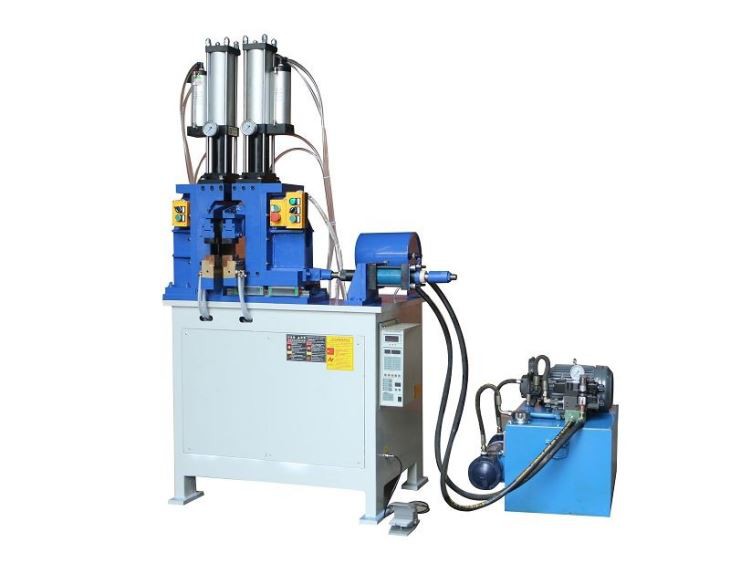
Humidity is an environmental factor that often goes unnoticed but can have a significant impact on various industrial processes, including the operation of a steel bar butt welder. As a supplier of Steel Bar Butt Welder, I have witnessed firsthand how humidity can influence the performance and quality of welds produced by these machines. In this blog post, I will delve into the effects of humidity on a steel bar butt welder, exploring both the challenges it presents and the strategies to mitigate its negative impacts.
Understanding the Basics of Steel Bar Butt Welding
Before discussing the impact of humidity, it is essential to understand the fundamentals of steel bar butt welding. Steel bar butt welding is a process that joins two steel bars end-to-end by applying pressure and heat. The heat is generated through the resistance to the flow of electric current at the interface of the two bars. Once the bars reach the appropriate temperature, pressure is applied to forge the joint, creating a strong and durable connection.
The quality of the weld depends on several factors, including the material properties of the steel bars, the welding parameters (such as current, voltage, and pressure), and the environmental conditions. Humidity, as an environmental factor, can affect the welding process in multiple ways.
The Impact of Humidity on Welding Electrodes
One of the primary ways humidity affects a steel bar butt welder is through its impact on the welding electrodes. Electrodes are crucial components of the welding process, as they conduct the electric current to the steel bars and help create the heat necessary for welding.
High humidity levels can cause the electrodes to absorb moisture from the air. When moisture is present on the electrode surface, it can lead to several problems. Firstly, moisture can act as an insulator, reducing the electrical conductivity of the electrode. This can result in inconsistent heat generation during the welding process, leading to uneven welds and potential defects.

Secondly, the presence of moisture can cause oxidation of the electrode surface. Oxidation can increase the resistance of the electrode, further reducing its efficiency and potentially causing overheating. Overheating of the electrodes can lead to premature wear and tear, reducing their lifespan and increasing the cost of operation.
Effects on Weld Quality
Humidity can also have a direct impact on the quality of the weld itself. When moisture is present in the welding environment, it can be introduced into the weld pool during the welding process. Moisture contains hydrogen, which can cause hydrogen embrittlement in the weld. Hydrogen embrittlement is a phenomenon where hydrogen atoms diffuse into the steel lattice, making the weld more brittle and prone to cracking.
In addition to hydrogen embrittlement, high humidity levels can also lead to the formation of porosity in the weld. Porosity refers to the presence of small holes or voids in the weld, which can weaken the joint and reduce its mechanical properties. The moisture in the air can vaporize during the welding process, creating gas bubbles that become trapped in the weld pool, resulting in porosity.
Impact on Welding Equipment
Humidity can also affect the overall performance and longevity of the steel bar butt welder. Excessive moisture in the air can cause corrosion of the electrical components and mechanical parts of the machine. Corrosion can lead to electrical shorts, mechanical failures, and reduced reliability of the equipment.
Moreover, high humidity levels can also affect the cooling system of the welder. The cooling system is responsible for dissipating the heat generated during the welding process, ensuring that the machine operates within a safe temperature range. If the cooling system is affected by humidity, it may not function effectively, leading to overheating of the machine and potential damage to its components.
Mitigating the Impact of Humidity
While humidity can pose significant challenges to the operation of a steel bar butt welder, there are several strategies that can be employed to mitigate its negative effects.
Environmental Control
One of the most effective ways to reduce the impact of humidity is to control the environmental conditions in the welding area. This can be achieved by using dehumidifiers to reduce the humidity levels in the air. Dehumidifiers work by removing moisture from the air, creating a drier environment that is more conducive to welding.
In addition to using dehumidifiers, it is also important to ensure proper ventilation in the welding area. Good ventilation helps to remove any moisture and fumes generated during the welding process, preventing them from accumulating in the air.
Electrode Storage and Handling
Proper storage and handling of the welding electrodes are crucial to prevent them from absorbing moisture. Electrodes should be stored in a dry and controlled environment, preferably in a sealed container or cabinet. Before use, electrodes should be inspected for any signs of moisture or damage. If moisture is detected, the electrodes should be dried using a suitable method, such as baking them in an oven at a low temperature.
Welding Parameter Adjustment
In high humidity conditions, it may be necessary to adjust the welding parameters to compensate for the effects of moisture. For example, increasing the welding current or voltage can help to overcome the reduced electrical conductivity caused by moisture on the electrodes. However, it is important to note that any adjustments to the welding parameters should be made carefully, as improper adjustments can lead to other problems, such as excessive heat input or overheating of the machine.
Conclusion
In conclusion, humidity can have a significant impact on the performance and quality of a steel bar butt welder. It can affect the welding electrodes, the quality of the weld, and the overall operation of the equipment. However, by understanding the effects of humidity and implementing appropriate mitigation strategies, such as environmental control, proper electrode storage and handling, and welding parameter adjustment, it is possible to minimize the negative impacts of humidity and ensure the production of high-quality welds.
As a supplier of Steel Bar Butt Welder, we are committed to providing our customers with high-quality welding equipment and comprehensive technical support. If you are experiencing issues with humidity in your welding process or have any questions about our products, please do not hesitate to contact us. We are here to help you optimize your welding operations and achieve the best possible results.
In addition to our Steel Bar Butt Welder, we also offer a range of other welding machines, including Steel Ring Butt Welding Machine and Manual Butt Welding Machine. Our products are designed to meet the diverse needs of our customers and provide reliable and efficient welding solutions.
If you are interested in learning more about our products or would like to discuss your specific welding requirements, please feel free to reach out to us. We look forward to the opportunity to work with you and help you take your welding operations to the next level.
References
- AWS Welding Handbook, Volume 1: Welding Science and Technology, American Welding Society
- Welding Metallurgy and Weldability of Stainless Steels, John C. Lippold and David J. Kotecki
- Handbook of Welding Processes, 5th Edition, George E. Totten and David L. Howes


