

How to ensure the safety of operators around a tube reducing machine?
Leave a message

Ensuring the safety of operators around a tube reducing machine is of paramount importance in any manufacturing environment. As a reputable tube reducing machine supplier, we understand the significance of providing not only high - quality machinery but also comprehensive safety guidelines. In this blog, we will explore various aspects of safety measures that can be taken to protect operators working in the vicinity of tube reducing machines.
1. Pre - operation Safety Checks
Before starting the tube reducing machine, a series of pre - operation safety checks should be carried out. First, operators need to visually inspect the machine for any visible damage, such as cracks in the frame, loose bolts, or worn - out parts. Any damaged components should be reported immediately and replaced before the machine is put into use.
The electrical system of the tube reducing machine is another critical area to check. Ensure that all electrical connections are secure and there are no exposed wires. Faulty electrical systems can pose a significant risk of electric shock to operators. Additionally, check the grounding of the machine to prevent electrical malfunctions.

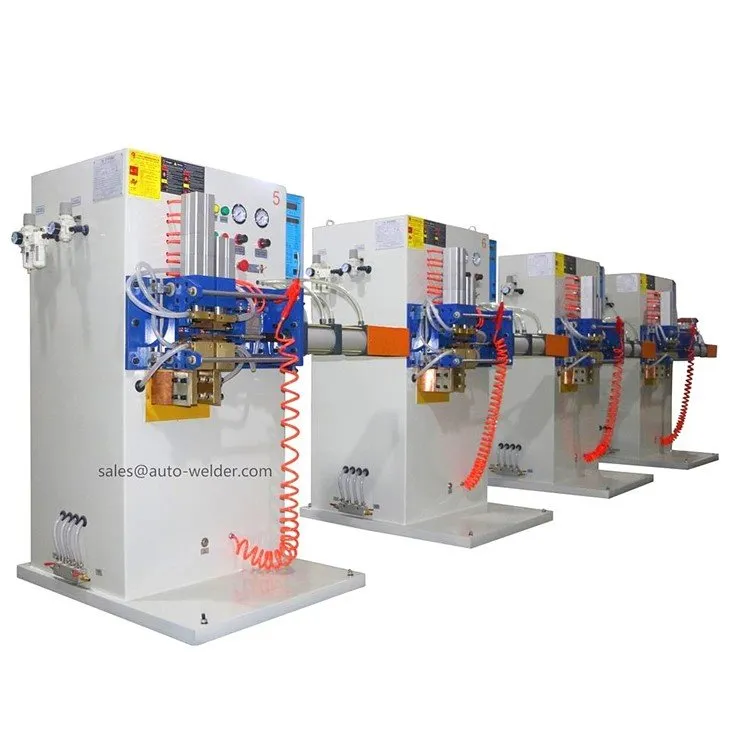
We also recommend verifying the lubrication levels of the machine. Proper lubrication is essential for the smooth operation of the tube reducing machine and can prevent overheating and excessive wear. Insufficient lubrication can lead to mechanical failures, which may endanger the safety of operators.
2. Personal Protective Equipment (PPE)
Wearing appropriate personal protective equipment is non - negotiable when working around a tube reducing machine. Operators should wear safety glasses to protect their eyes from flying debris, such as metal shavings that may be generated during the tube reducing process. Safety glasses with side shields provide additional protection.
Hearing protection is also necessary, as tube reducing machines can produce high - decibel noise. Prolonged exposure to such noise can cause hearing loss. Earplugs or earmuffs should be worn at all times when the machine is in operation.
A pair of heavy - duty work gloves is required to protect the hands from cuts, abrasions, and burns. The gloves should be made of a material that can withstand the heat and friction generated by the machine.
In addition, operators should wear safety shoes with steel toes. These shoes protect the feet from falling objects and accidental impacts, which are common hazards in a manufacturing environment.
3. Machine Guarding
Machine guarding is a fundamental safety measure for tube reducing machines. All moving parts of the machine, such as gears, belts, and pulleys, should be properly guarded. Guards prevent operators from accidentally coming into contact with these moving parts, which can cause severe injuries, including amputation.
The guarding system should be designed in such a way that it does not interfere with the normal operation of the machine. It should be easy to access for maintenance and cleaning purposes, but at the same time, it should be secure enough to prevent unauthorized removal.
We also recommend installing safety interlocks on the guards. Safety interlocks are devices that automatically shut off the machine when the guard is opened or removed. This ensures that operators cannot access the dangerous parts of the machine while it is in operation.
4. Operator Training
Proper training is the key to ensuring the safety of operators around a tube reducing machine. Operators should receive comprehensive training on the operation, maintenance, and safety procedures of the machine. The training should cover topics such as how to start and stop the machine safely, how to adjust the settings, and how to troubleshoot common problems.
Training should also include emergency procedures. Operators should know how to respond in case of a machine malfunction, fire, or other emergencies. Regular refresher courses should be provided to keep operators updated on the latest safety practices.
As a tube reducing machine supplier, we offer training programs for our customers. Our experienced technicians can provide on - site training to ensure that operators are fully competent in using the machine safely.
5. Safe Operating Procedures
Establishing and following safe operating procedures is crucial for the safety of operators. Operators should be instructed to keep their hands and other body parts away from the working area of the tube reducing machine. They should not attempt to clear jams or make adjustments while the machine is running.
Before loading tubes into the machine, operators should ensure that the tubes are properly aligned and secured. Improperly loaded tubes can cause the machine to malfunction and pose a safety risk.
During the operation of the machine, operators should monitor the process closely. They should look out for any signs of abnormal noise, vibration, or overheating. If any such signs are detected, the machine should be stopped immediately, and a qualified technician should be called to inspect it.
6. Maintenance and Inspection
Regular maintenance and inspection of the tube reducing machine are essential for its safe operation. A maintenance schedule should be established, and all maintenance tasks should be carried out on time. This includes cleaning the machine, replacing worn - out parts, and checking the alignment of components.
Inspections should be conducted by qualified personnel. They should check for any signs of wear, damage, or malfunction. Any issues found during the inspection should be addressed promptly to prevent further damage and ensure the safety of operators.
We also recommend keeping detailed records of all maintenance and inspection activities. These records can help in identifying patterns of problems and can be used as a reference for future maintenance.
7. Emergency Stop Systems
Every tube reducing machine should be equipped with an easily accessible emergency stop system. The emergency stop button should be clearly marked and located within reach of the operator. In case of an emergency, the operator can quickly press the button to stop the machine immediately.
Regular testing of the emergency stop system is necessary to ensure its proper functioning. The emergency stop button should be tested at least once a week to make sure that it can stop the machine instantly.
8. Hazard Communication
Effective hazard communication is essential in a manufacturing environment. All hazards associated with the tube reducing machine should be clearly identified and communicated to operators. This can be done through safety signs, labels, and operating manuals.
Safety signs should be posted in prominent locations around the machine. These signs should indicate the potential hazards, such as "Danger - Moving Parts" or "High Voltage." Labels on the machine should provide information on how to operate the machine safely and what precautions to take.
The operating manual should include detailed safety instructions and procedures. It should be written in a clear and easy - to - understand language and should be available to all operators.
9. Use of Related Equipment
When working with a tube reducing machine, operators may also need to use related equipment, such as Air Conditioning Pipe Butt Welder, Inverter Copper Aluminum Pipe Butt Welder, and Compressor Pipe Butt Welder. These related machines also have their own safety requirements.
Operators should receive separate training on the safe use of these related machines. They should follow the same safety principles, such as wearing PPE, conducting pre - operation checks, and using proper guarding.
Conclusion
Ensuring the safety of operators around a tube reducing machine requires a comprehensive approach that includes pre - operation checks, the use of PPE, machine guarding, operator training, safe operating procedures, maintenance, emergency stop systems, hazard communication, and proper use of related equipment.
As a tube reducing machine supplier, we are committed to providing our customers with high - quality machines and the necessary support to ensure the safety of their operators. If you are interested in purchasing a tube reducing machine or need more information on safety measures, please feel free to contact us for further discussion and procurement negotiations.
References
- OSHA (Occupational Safety and Health Administration) guidelines on machine safety.
- Industry standards for tube reducing machine operation and safety.


