

How to choose the right electrodes for butt welding equipment?
Leave a message

When it comes to butt welding equipment, choosing the right electrodes is crucial for achieving optimal welding results. As a trusted supplier of butt welding equipment, we understand the significance of this decision and are here to guide you through the process. In this blog, we will explore the key factors to consider when selecting electrodes for your butt welding needs.
Understanding Butt Welding
Before delving into electrode selection, let's briefly review the basics of butt welding. Butt welding is a popular joining process used to connect two pieces of metal end-to-end. It involves applying heat and pressure to the contact surfaces of the workpieces until they reach a molten state, allowing them to fuse together. Butt welding is widely used in various industries, including construction, manufacturing, and automotive, due to its efficiency and the high-strength joints it produces.
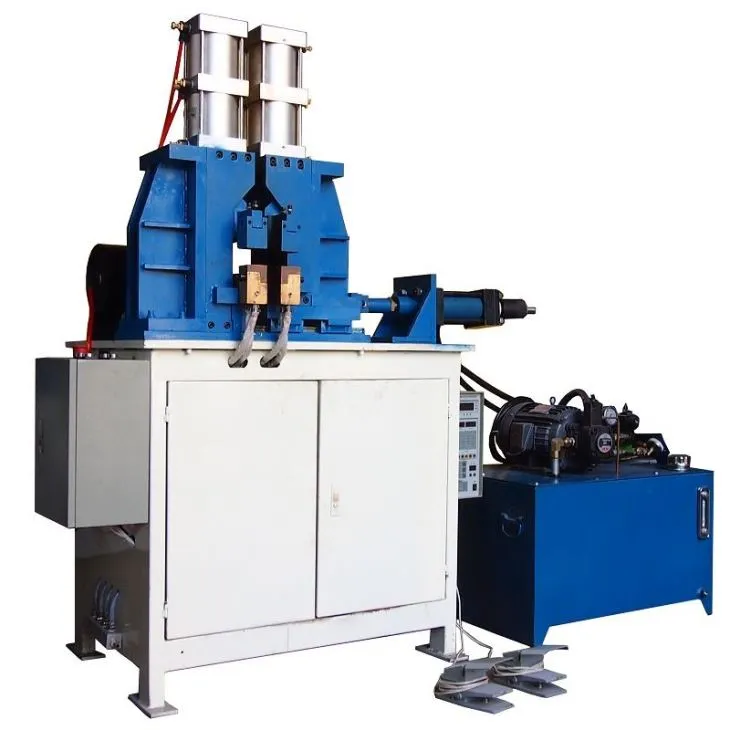
Types of Butt Welding Equipment
There are several types of butt welding equipment available, each designed for specific applications. Here are some common ones:
- Steel Bar Butt Welder: Ideal for welding steel bars of various diameters, this type of welder is commonly used in construction projects for joining reinforcement bars.
- Flash Butt Welding Machine: This machine uses the flash welding process, which involves creating an electrical arc between the workpieces to generate heat. It is suitable for welding a wide range of materials, including steel, aluminum, and copper.
- Manual Butt Welding Machine: As the name suggests, this machine requires manual operation. It is often used for small-scale welding jobs or in situations where precision control is necessary.
Factors to Consider When Choosing Electrodes
The choice of electrodes can significantly impact the quality and efficiency of your butt welding process. Here are some important factors to keep in mind:
1. Material Compatibility
The electrode material must be compatible with the base metal being welded. Different metals have different melting points, electrical conductivities, and chemical properties. Using an incompatible electrode can result in poor weld quality, such as cracks, porosity, or weak joints. For example, when welding steel, electrodes made of carbon steel or stainless steel are commonly used, depending on the specific application and requirements.
2. Welding Current
The welding current determines the amount of heat generated during the welding process. The electrode must be able to handle the specified welding current without overheating or melting prematurely. The current capacity of an electrode is typically indicated by its size and type. Larger electrodes can generally handle higher currents, but they may also require more power and produce a larger weld bead. It is important to select an electrode with the appropriate current rating for your welding equipment and the thickness of the workpieces.
3. Weld Quality Requirements
The desired weld quality, such as strength, appearance, and resistance to corrosion, will also influence electrode selection. For high-strength applications, electrodes with excellent mechanical properties, such as high tensile strength and good ductility, are preferred. In addition, if the weld needs to have a smooth and aesthetically pleasing finish, electrodes that produce a low-spatter weld and minimal distortion may be required.
4. Welding Position
The position in which the welding is performed, such as flat, horizontal, vertical, or overhead, can affect electrode selection. Different electrodes are designed to perform optimally in specific welding positions. For example, electrodes for vertical and overhead welding may need to have better slag control to prevent the molten metal from dripping.
5. Cost
Cost is always a consideration when choosing electrodes. While it is important to select high-quality electrodes that meet your welding requirements, you also want to find a solution that fits your budget. It is advisable to compare the prices of different electrodes and suppliers to ensure you are getting the best value for your money.

Common Types of Electrodes for Butt Welding
There are several types of electrodes commonly used in butt welding, each with its own characteristics and applications. Here are some of the most popular ones:
1. Carbon Steel Electrodes
Carbon steel electrodes are widely used for welding carbon steel and low-alloy steel. They are available in different classifications, such as E6010, E6011, E6013, E7014, E7015, and E7018. Each classification has specific properties and is suitable for different welding conditions and applications. For example, E6010 electrodes are known for their deep penetration and are often used for root passes in pipe welding, while E7018 electrodes offer excellent weld quality and are commonly used for structural welding.
2. Stainless Steel Electrodes
Stainless steel electrodes are used for welding stainless steel and other corrosion-resistant alloys. They are designed to match the chemical composition and mechanical properties of the base metal, ensuring a strong and corrosion-resistant weld. Some common types of stainless steel electrodes include E308, E309, E316, and E347.
3. Aluminum Electrodes
Aluminum electrodes are used for welding aluminum and aluminum alloys. Welding aluminum can be challenging due to its high thermal conductivity and the formation of an oxide layer on the surface. Specialized aluminum electrodes are designed to overcome these challenges and produce high-quality welds. They are typically made of aluminum or aluminum alloy and are coated with a flux to remove the oxide layer and protect the weld from oxidation.
Tips for Selecting the Right Electrodes
Here are some additional tips to help you select the right electrodes for your butt welding equipment:
- Consult the Manufacturer's Recommendations: The manufacturer of your butt welding equipment may provide specific recommendations for electrode selection. These recommendations are based on the equipment's design and performance characteristics and can be a valuable source of information.
- Test Different Electrodes: If possible, conduct welding tests using different electrodes on sample workpieces. This will allow you to evaluate the performance of each electrode and determine which one provides the best results for your specific application.
- Seek Expert Advice: If you are unsure about which electrodes to choose, don't hesitate to seek advice from welding experts or professionals. They have the knowledge and experience to help you make an informed decision based on your specific requirements.
Conclusion
Choosing the right electrodes for your butt welding equipment is essential for achieving high-quality welds and ensuring the efficiency and reliability of your welding process. By considering factors such as material compatibility, welding current, weld quality requirements, welding position, and cost, you can select the electrodes that best meet your needs. As a leading supplier of butt welding equipment, we are committed to providing our customers with the highest quality products and technical support. If you have any questions or need assistance with electrode selection, please don't hesitate to [contact us for procurement and discussion]. We look forward to helping you achieve your welding goals.
References
- Welding Handbook, American Welding Society
- Welding Metallurgy, John C. Lippold and David K. Miller
- AWS D1.1/D1.1M:2020 Structural Welding Code - Steel, American Welding Society


