

What is the safety precautions for Flash Butt Welding?
Leave a message

Flash butt welding is a highly efficient and widely used welding method in various industries, including manufacturing, automotive, and construction. As a supplier of flash butt welding equipment, I understand the importance of safety precautions in this process. Ensuring the safety of operators and the quality of the welding results is paramount. In this blog, I will discuss the key safety precautions for flash butt welding.
1. Personal Protective Equipment (PPE)
One of the most fundamental safety measures in flash butt welding is the use of appropriate personal protective equipment. PPE serves as the first line of defense against potential hazards.
Welding Helmets
A welding helmet is essential to protect the face and eyes from intense light, sparks, and flying debris. The helmet should have a proper shade of lens that can filter out the harmful ultraviolet (UV) and infrared (IR) rays emitted during the welding process. For flash butt welding, a shade level of at least 10 is recommended. This helps prevent arc eye, a painful condition caused by over - exposure to UV light, and protects the eyes from physical damage.
Welding Gloves
Welding gloves are designed to protect the hands from heat, sparks, and electrical shock. They are usually made of heat - resistant materials such as leather. The gloves should fit properly to ensure dexterity while providing adequate protection. When handling the electrodes or the welded parts during the process, operators must wear gloves at all times.
Welding Aprons
A welding apron is used to protect the body from sparks, spatter, and hot metal. It is typically made of fire - resistant materials like leather or heavy - duty cotton. The apron should cover the front of the body from the chest to the knees to provide comprehensive protection.
Safety Shoes
Safety shoes with steel toes are necessary to protect the feet from falling objects, hot metal, and electrical hazards. They should also have good traction to prevent slips and falls in the welding area.
2. Equipment Inspection and Maintenance
Regular inspection and maintenance of the flash butt welding equipment are crucial for safe operation.
Pre - operation Inspection
Before starting the welding process, a thorough inspection of the equipment should be carried out. Check the power supply cables for any signs of damage, such as cuts or frays. Ensure that the electrical connections are tight and secure to prevent electrical shock. Inspect the welding electrodes for wear and tear. Worn - out electrodes can affect the quality of the weld and may pose a safety risk. Also, check the hydraulic or pneumatic systems (if applicable) for leaks and proper functioning.
Routine Maintenance
Regular maintenance of the welding equipment is essential to keep it in good working condition. This includes cleaning the equipment regularly to remove dust, dirt, and welding spatter. Lubricate the moving parts as recommended by the manufacturer to ensure smooth operation. Replace worn - out components promptly to prevent breakdowns during the welding process. For example, if the welding transformer shows signs of overheating or malfunction, it should be repaired or replaced immediately.

3. Workplace Safety
Creating a safe workplace environment is essential for flash butt welding.
Ventilation
Flash butt welding produces fumes and gases that can be harmful if inhaled. Adequate ventilation is required to remove these contaminants from the workplace. Install local exhaust ventilation systems near the welding area to capture the fumes at the source. If local ventilation is not sufficient, general ventilation systems can be used to ensure proper air circulation in the entire workspace. This helps prevent respiratory problems and other health issues caused by inhaling welding fumes.
Fire Prevention
Flash butt welding involves high temperatures and sparks, which can pose a fire hazard. Keep the welding area clean and free of flammable materials. Have fire extinguishers readily available in the workplace and ensure that all operators are trained in their use. Establish a clear fire - prevention plan, including evacuation routes and emergency procedures in case of a fire.
Workspace Organization
The welding area should be well - organized to prevent accidents. Keep the floor clear of clutter, cables, and tools to avoid tripping hazards. Arrange the welding equipment in a way that allows easy access and operation. Label all the controls and switches clearly to prevent confusion during the welding process.
4. Training and Certification
Proper training and certification of the operators are essential for safe flash butt welding.
Training Programs
Operators should undergo comprehensive training programs that cover the principles of flash butt welding, equipment operation, safety procedures, and emergency response. The training should be hands - on, allowing operators to practice the welding process under the supervision of experienced instructors. It should also include theoretical knowledge about the potential hazards and how to prevent them.
Certification
Obtaining relevant certifications is a sign that the operators have the necessary skills and knowledge to perform flash butt welding safely. Certifications can be obtained from recognized organizations and institutions. Regular refresher courses should be provided to keep the operators updated on the latest safety standards and techniques.
5. Electrical Safety
Since flash butt welding involves the use of electricity, electrical safety is of utmost importance.
Grounding
The welding equipment must be properly grounded to prevent electrical shock. A good grounding system provides a path for the electrical current to flow safely into the ground in case of a fault. Check the grounding connections regularly to ensure they are secure.
Voltage and Current Control
Operators should be trained to set the correct voltage and current levels for the welding process. Incorrect settings can not only affect the quality of the weld but also pose a safety risk. Overloading the equipment with excessive current can cause overheating and damage to the electrical components, increasing the risk of electrical fire and shock.
6. Handling of Welded Parts
Proper handling of the welded parts is also an important safety aspect.
Cooling Time
After the welding process, the welded parts are very hot. Operators should allow sufficient cooling time before handling them. Using tools such as tongs or clamps to handle the hot parts can prevent burns.
Storage
The welded parts should be stored in a safe and organized manner. They should be stacked securely to prevent them from falling and causing injury. If the parts are sharp or have rough edges, appropriate precautions should be taken during storage and handling.
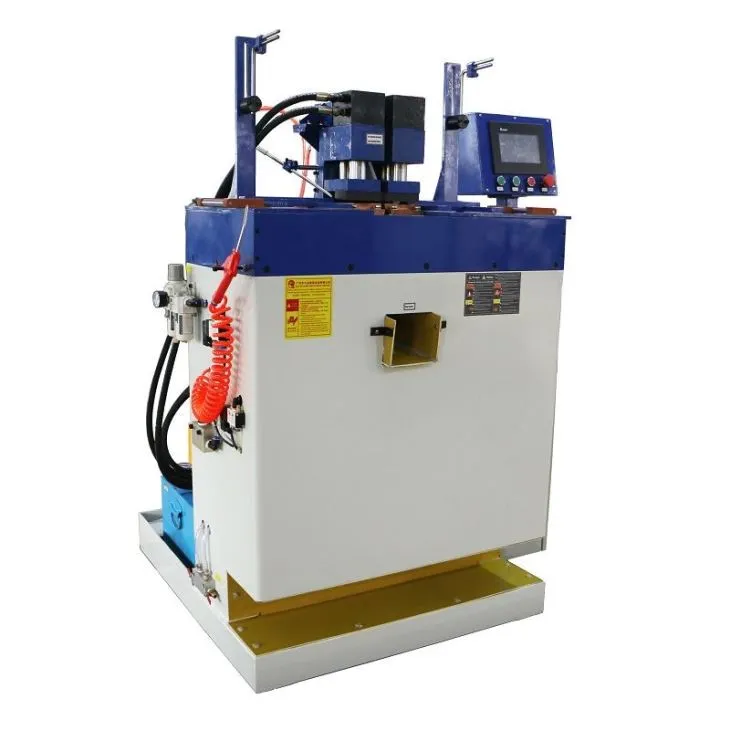
As a supplier of flash butt welding equipment, we are committed to providing high - quality Butt Welding Equipment that meets the highest safety standards. Our Bandsaw Blade Butt Welder and Manual Butt Welding Machine are designed with safety features in mind. However, it is essential for our customers to follow the safety precautions mentioned above to ensure safe and efficient operation.
If you are interested in our flash butt welding equipment or have any questions about safety in flash butt welding, please feel free to contact us for a detailed discussion. We are here to help you make the right choice for your welding needs.
References
- American Welding Society (AWS). Welding Safety and Health Standards.
- OSHA (Occupational Safety and Health Administration). Guidelines for Welding Operations.
- Manufacturer's manuals for flash butt welding equipment.


