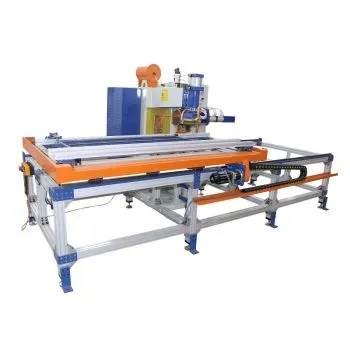
What is the feeding stability of a nuts automatic feeder under different loads?
Leave a message

Hey there! As a supplier of nuts automatic feeders, I often get asked about the feeding stability of these machines under different loads. It's a crucial question because the performance of a nuts automatic feeder can significantly impact the efficiency and quality of production lines that rely on it. In this blog, I'll share some insights into what affects the feeding stability of our nuts automatic feeders and how we ensure they perform well across various load conditions.
Understanding the Basics of Nuts Automatic Feeders
Before we dive into the topic of feeding stability, let's quickly go over what a nuts automatic feeder does. Essentially, it's a machine designed to automatically dispense nuts at a controlled rate into a production process. This could be for assembly lines where nuts need to be inserted into parts, or in packaging operations where nuts are being portioned out for sale. Our feeders are engineered to handle different types of nuts, including various sizes and shapes, with precision and consistency.
Factors Affecting Feeding Stability Under Different Loads
1. Nut Characteristics
The type, size, and shape of the nuts being fed play a big role in feeding stability. For example, irregularly shaped nuts can cause jams or inconsistent feeding, especially when the feeder is under a high load. Our feeders are designed with adjustable mechanisms that can adapt to different nut characteristics, but it's still important to consider these factors when setting up the machine.
2. Load Capacity
The load on the feeder refers to the amount of nuts it needs to dispense within a given time frame. Higher loads can put more stress on the feeder's components, such as the conveyor belts, vibratory bowls, and dispensing mechanisms. If the feeder is not properly designed or calibrated for the load, it can lead to feeding errors, such as inconsistent nut spacing or incomplete dispensing.
3. Mechanical Wear and Tear
Over time, the mechanical components of the feeder can experience wear and tear, especially when operating under heavy loads. This can affect the accuracy and stability of the feeding process. Regular maintenance and replacement of worn parts are essential to ensure the long - term performance of the feeder.
4. Environmental Conditions
The environment in which the feeder operates can also impact its feeding stability. Factors such as temperature, humidity, and dust can affect the movement of nuts within the feeder and the performance of its mechanical and electronic components. For example, high humidity can cause nuts to clump together, while dust can interfere with the sensors and actuators in the feeder.
How We Ensure Feeding Stability
1. Advanced Design
Our nuts automatic feeders are designed with advanced features to ensure feeding stability under different loads. For example, we use high - quality conveyor belts and vibratory bowls that are engineered to handle a wide range of nut sizes and shapes. The dispensing mechanisms are also carefully calibrated to ensure accurate and consistent nut placement.
2. Load - Adaptive Technology
We've incorporated load - adaptive technology into our feeders, which allows them to adjust their operation based on the load. This means that the feeder can automatically increase or decrease its dispensing speed and force to maintain stable feeding, even when the load changes.


3. Quality Control
We have a strict quality control process in place to ensure that each feeder meets our high standards of performance and reliability. Before leaving the factory, every feeder is thoroughly tested under different load conditions to ensure that it can provide stable feeding.
Real - World Examples
Let's take a look at some real - world scenarios to see how our nuts automatic feeders perform under different loads.
Low - Load Scenario
In a low - load situation, such as a small - scale production line that only requires a few nuts to be dispensed per minute, our feeder can operate smoothly and accurately. The low load puts less stress on the components, allowing for precise control of the nut dispensing process. This is ideal for applications where high precision is required, such as in the production of small electronic devices.
High - Load Scenario
On the other hand, in a high - load scenario, like a large - scale manufacturing plant that needs to dispense thousands of nuts per hour, our feeders can still maintain stable feeding. The load - adaptive technology kicks in, adjusting the speed and force of the dispensing mechanism to ensure that the nuts are dispensed at the correct rate and with consistent spacing.
Related Products
If you're also in the market for welding machines, we'd like to introduce some of our related products. You can check out our Gas Stove Spot Welding Machine, XY Axis Spot Welder, and Projection Welding Machine. These machines are designed with high precision and reliability to meet your welding needs.
Invitation to Contact
If you're interested in our nuts automatic feeders or have any questions about feeding stability under different loads, we'd love to hear from you. Whether you're a small business looking to improve your production efficiency or a large corporation in need of a high - capacity feeder, we can provide the right solution for you. Contact us today to start a discussion about your specific requirements and how our products can meet them.
References
- Jones, W. (2018). Automatic Feeding Systems: Principles and Applications. Industrial Press Inc.
- Smith, R. (2020). Handbook of Nut and Bolt Manufacturing. McGraw - Hill Education.