

What is the bending torque of a wire bending machine?
Leave a message

In the world of manufacturing and metalworking, wire bending machines play a crucial role. They are used to shape wires into various forms for a wide range of applications, from simple decorative items to complex mechanical components. One of the most important technical parameters of a wire bending machine is its bending torque. In this blog post, as a supplier of wire bending machines, I will delve into what bending torque is, its significance, and how it affects the performance of wire bending machines.
What is Bending Torque?
Bending torque is a measure of the force that a wire bending machine can apply to bend a wire. It is essentially the rotational force required to change the shape of the wire. In physics, torque is defined as the product of the force applied and the distance from the axis of rotation at which the force is applied (T = F × r). In the context of a wire bending machine, the bending torque determines how easily and effectively the machine can bend wires of different diameters and materials.
When a wire is placed in a wire bending machine, the machine uses a set of tools, such as bending dies and rollers, to apply a force to the wire at a specific point. The bending torque is what enables the machine to overcome the wire's resistance to deformation and bend it into the desired shape. A higher bending torque means that the machine can handle thicker and stiffer wires, while a lower bending torque is suitable for thinner and more flexible wires.
Significance of Bending Torque in Wire Bending Machines
The bending torque of a wire bending machine is a critical factor that affects its performance and versatility. Here are some key reasons why bending torque is important:
1. Wire Diameter and Material Compatibility
Different wires have different mechanical properties, such as hardness, ductility, and tensile strength. Thicker and stiffer wires require more force to bend, which means that a wire bending machine with a higher bending torque is needed. For example, a machine designed to bend thin copper wires may not be able to handle thick steel wires due to insufficient bending torque. By choosing a wire bending machine with the appropriate bending torque, manufacturers can ensure that they can work with a wide range of wire diameters and materials.
2. Precision and Accuracy
The bending torque also affects the precision and accuracy of the bending process. A machine with a stable and consistent bending torque can produce more accurate bends, with less variation in the bend angle and radius. This is particularly important for applications where tight tolerances are required, such as in the production of electronic components and medical devices. On the other hand, a machine with an inconsistent or insufficient bending torque may result in uneven bends, which can lead to quality issues and increased waste.
3. Productivity and Efficiency
A wire bending machine with a high bending torque can bend wires more quickly and efficiently. This is because it can apply a greater force to the wire, reducing the time required to complete each bend. In addition, a machine with a high bending torque can handle larger batches of wires, increasing productivity and reducing production costs. For example, in a mass production environment, a high-torque wire bending machine can significantly increase the output compared to a low-torque machine.
Factors Affecting Bending Torque
Several factors can affect the bending torque of a wire bending machine. Understanding these factors can help manufacturers choose the right machine for their specific needs.
1. Machine Design and Construction
The design and construction of the wire bending machine play a crucial role in determining its bending torque. Machines with a robust and rigid frame can provide better support for the bending tools, allowing them to apply a greater force to the wire. In addition, the quality of the bending dies and rollers can also affect the bending torque. High-quality dies and rollers can reduce friction and wear, ensuring that the machine can maintain a consistent bending torque over time.
2. Motor Power
The motor power of the wire bending machine is directly related to its bending torque. A more powerful motor can generate a higher torque, allowing the machine to bend thicker and stiffer wires. However, it is important to note that the motor power alone is not the only factor that determines the bending torque. The efficiency of the transmission system, which transfers the power from the motor to the bending tools, also plays a role.
3. Bending Speed
The bending speed of the wire bending machine can also affect the bending torque. At higher speeds, the machine may require more torque to overcome the inertia of the wire and the bending tools. Therefore, it is important to choose a machine with a bending torque that is suitable for the desired bending speed.
Choosing the Right Bending Torque for Your Wire Bending Machine
When choosing a wire bending machine, it is important to consider the specific requirements of your application. Here are some steps to help you choose the right bending torque:

1. Determine the Wire Diameter and Material
The first step is to determine the maximum wire diameter and material that you will be working with. This will give you an idea of the minimum bending torque required for your machine. For example, if you will be bending thin copper wires, a machine with a relatively low bending torque may be sufficient. However, if you will be working with thick steel wires, you will need a machine with a higher bending torque.
2. Consider the Bending Complexity
The complexity of the bending operations also affects the required bending torque. If you need to perform complex bends, such as multiple bends in different directions or tight-radius bends, you may need a machine with a higher bending torque to ensure that the bends are accurate and consistent.
3. Evaluate the Production Volume
The production volume is another important factor to consider. If you have a high-volume production requirement, you may need a machine with a high bending torque and a fast bending speed to increase productivity. On the other hand, if you have a low-volume production requirement, a machine with a lower bending torque may be more cost-effective.
Our Wire Bending Machine Offerings
As a leading supplier of wire bending machines, we offer a wide range of machines with different bending torques to meet the diverse needs of our customers. Our machines are designed and manufactured using the latest technology and high-quality materials, ensuring reliable performance and long service life.
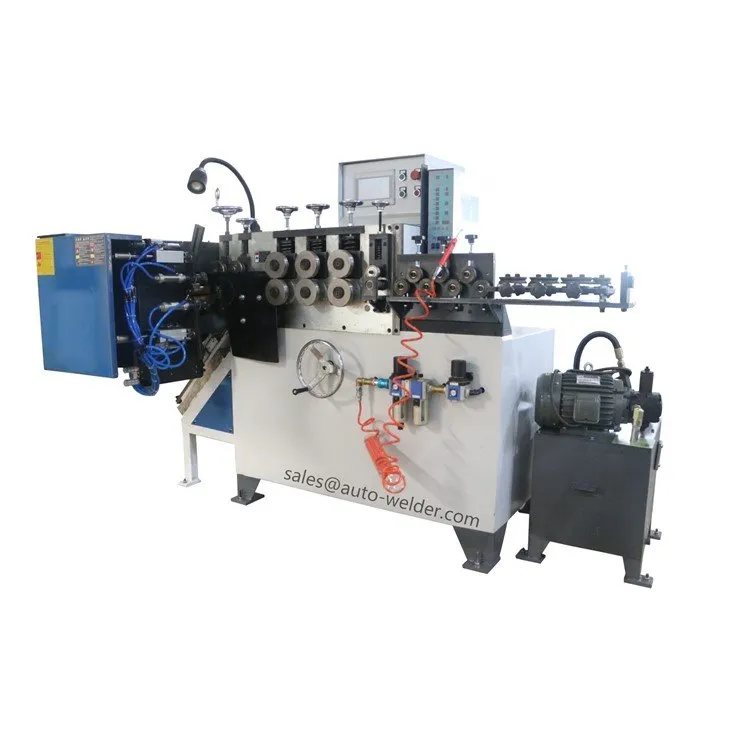
We have machines suitable for various applications, including Ring Making With Welding Machine, 2D Wire Bending Machine, and Wire Straightening and Cutting Machine. Whether you are a small workshop or a large manufacturing plant, we can provide you with the right wire bending machine for your needs.
Conclusion
In conclusion, the bending torque of a wire bending machine is a critical parameter that affects its performance, versatility, and suitability for different applications. By understanding what bending torque is, its significance, and the factors that affect it, manufacturers can make an informed decision when choosing a wire bending machine. At our company, we are committed to providing high-quality wire bending machines with the right bending torque to help our customers achieve their production goals. If you are interested in learning more about our wire bending machines or have any questions about bending torque, please feel free to contact us. We look forward to discussing your specific requirements and helping you find the perfect solution for your wire bending needs.
References
- Callister, W. D., & Rethwisch, D. G. (2018). Materials Science and Engineering: An Introduction. Wiley.
- Dieter, G. E., & Schmidt, L. C. (2008). Mechanical Metallurgy. McGraw-Hill.
- Kalpakjian, S., & Schmid, S. R. (2013). Manufacturing Engineering and Technology. Pearson.


