

How to install a tube reducing machine?
Leave a message

Hey there! As a supplier of Tube Reducing Machines, I'm stoked to share with you a step - by - step guide on how to install one of these bad boys. Whether you're a seasoned pro in the industry or just getting your hands dirty for the first time, this guide will walk you through the process.
Pre - installation Checks
Before you even start unpacking the Tube Reducing Machine, you've gotta do some prep work. First off, pick a good spot for it. The area should be level, clean, and have enough space around it for easy operation and maintenance. You don't want it to be cramped up, right?
Check the power supply requirements. Our [Tube Reducing Machine](/butt - welding - machine/resistance - welding - machine/tube - reducing - machine.html) usually requires a stable power source. Make sure the voltage and frequency match what's specified in the manual. It's a pain if you hook it up and then realize the power isn't right.
Inspect the machine for any damage during transit. Look for dents, scratches, or loose parts. If you find anything, take pictures and contact our support team right away. We'll sort it out for you.
Unpacking the Machine
Once you've got a suitable spot and everything's good with the power, it's time to unpack the machine. Be careful when you're opening the crate. Use the right tools, like a crowbar or a box cutter, and take your time.
Inside the crate, you'll find the main machine body, some accessories, and the instruction manual. Take out each part carefully and lay them out. Make sure you've got all the parts listed in the packing list. If something's missing, don't worry, just give us a shout.
Assembly
Now, let's start assembling the machine. Most of our Tube Reducing Machines come with pre - assembled components, but there are still a few things you need to put together.
First, attach the legs or the base of the machine. There are usually bolts or screws for this. Use the appropriate tools to tighten them up, but don't over - tighten. You don't want to strip the threads.
Next, install the control panel. This is where you'll be operating the machine from. Connect the wires according to the color - coding in the manual. It's pretty straightforward, but if you're not sure, double - check the diagrams.
After that, it's time to install the reducing dies. These are the parts that actually reduce the tube size. Make sure they're clean and free of any debris. Slide them into place and secure them with the locking mechanisms.
Connecting the Power
Once the assembly is done, it's time to connect the power. But hold your horses! Before you plug it in, make sure the power switch on the machine is in the off position.
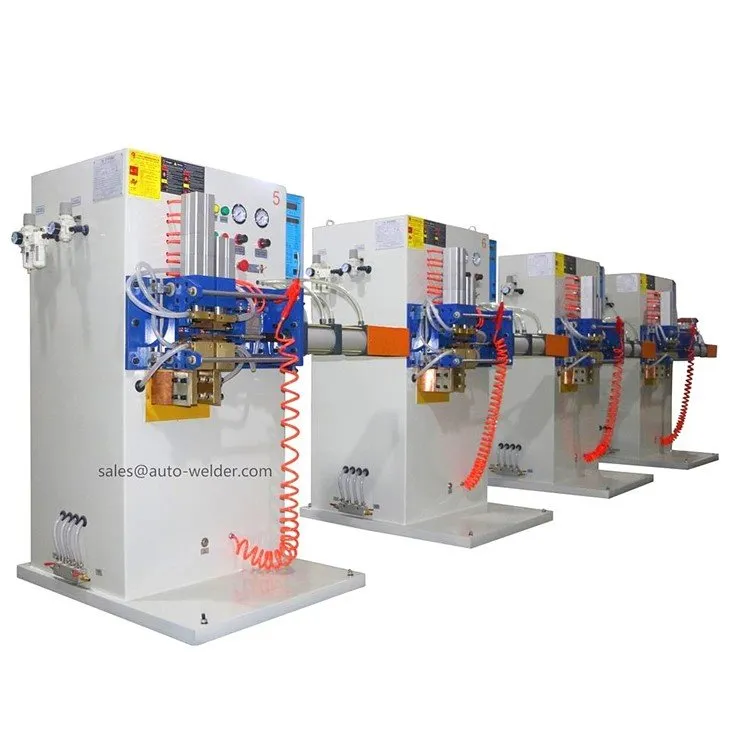
Connect the power cord to the machine and then to a grounded outlet. Double - check the connections to make sure they're tight. Now, you can flip the power switch on the machine. If the indicator lights come on, that's a good sign.
Calibration
After powering on the machine, you need to calibrate it. Calibration is crucial to ensure that the machine reduces the tubes to the right size accurately.
First, set the initial parameters according to the tube size you're working with. You can do this on the control panel. Enter the required values for tube diameter, reduction ratio, and so on.
Then, run a test tube through the machine. Measure the reduced tube size using a caliper. If it's not the right size, adjust the parameters on the control panel and run another test. Keep doing this until you get the desired results.

Lubrication
Lubrication is important to keep the machine running smoothly and to prevent wear and tear. Check the lubrication points in the machine as specified in the manual.
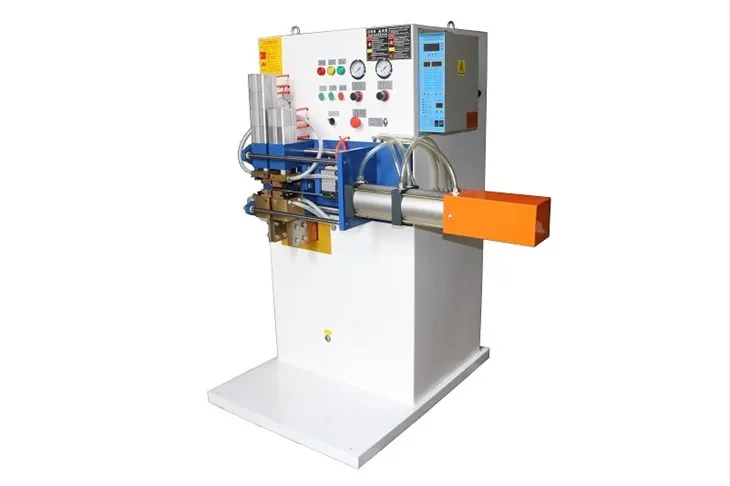
Use the recommended lubricant and apply it to the moving parts. This includes the shafts, gears, and the reducing dies. Don't over - lubricate, as it can attract dust and debris.
Safety Checks
Before you start using the machine for real, do a final safety check. Make sure all the guards are in place. These guards are there to protect you from moving parts and flying debris.
Check the emergency stop button. Press it to make sure it works. If it doesn't, don't use the machine until it's fixed.
Also, check the grounding of the machine. A proper ground connection is essential to prevent electrical shocks.
Troubleshooting Tips
Even after a successful installation, you might run into some issues. Here are a few common problems and how to fix them.
If the machine isn't reducing the tubes evenly, check the alignment of the reducing dies. They might be slightly off. Adjust them according to the manual.
If you hear strange noises coming from the machine, it could be a sign of loose parts or lack of lubrication. Stop the machine immediately, check for loose parts, and lubricate the necessary areas.
If the control panel isn't working properly, check the power connections and the fuses. If the fuses are blown, replace them with the correct type.
Related Machines
If you're in the tube - working business, you might also be interested in our other machines. For example, our [Copper Aluminum Pipe Butt Welder](/butt - welding - machine/resistance - welding - machine/copper - aluminum - pipe - butt - welder.html) is great for joining copper and aluminum pipes. And our [Compressor Pipe Butt Welder](/butt - welding - machine/resistance - welding - machine/compressor - pipe - butt - welder.html) is perfect for compressor pipe applications.
Conclusion
Installing a Tube Reducing Machine isn't as hard as it might seem. With a little bit of patience, following the steps in the manual, and doing the necessary checks, you'll have your machine up and running in no time.
If you have any questions during the installation process or after, don't hesitate to reach out to us. We're here to support you every step of the way. Whether you're looking to expand your business or just starting out, our Tube Reducing Machine can be a great addition to your workshop.

If you're interested in purchasing one of our Tube Reducing Machines or any of our other products, we'd love to have a chat with you. Just get in touch, and we can discuss your specific needs and how our machines can meet them.
References
- Manufacturer's Instruction Manual for Tube Reducing Machine
- Industry Standards for Tube - working Equipment Installation


