

How much does it cost to upgrade butt welding equipment?
Leave a message

When it comes to upgrading butt welding equipment, many factors come into play that determine the overall cost. As a supplier of Butt Welding Equipment, I've had the opportunity to work closely with numerous clients, helping them understand the financial implications of upgrading their existing systems. In this blog, I'll break down the key elements that contribute to the cost of upgrading butt welding equipment and provide insights to help you make an informed decision.
1. Type of Equipment Upgrade
The first and most significant factor influencing the cost is the type of upgrade you're considering. There are several levels of upgrades, ranging from minor enhancements to complete overhauls.
Minor Upgrades
Minor upgrades typically involve replacing or upgrading individual components of the butt welding equipment. For example, you might choose to upgrade the welding electrodes, which can improve the quality and efficiency of the welding process. Other minor upgrades could include replacing worn-out cables, improving the cooling system, or upgrading the control panel software. These types of upgrades are generally more affordable and can often be completed relatively quickly. The cost of minor upgrades can range from a few hundred dollars to a couple of thousand dollars, depending on the specific components being replaced.
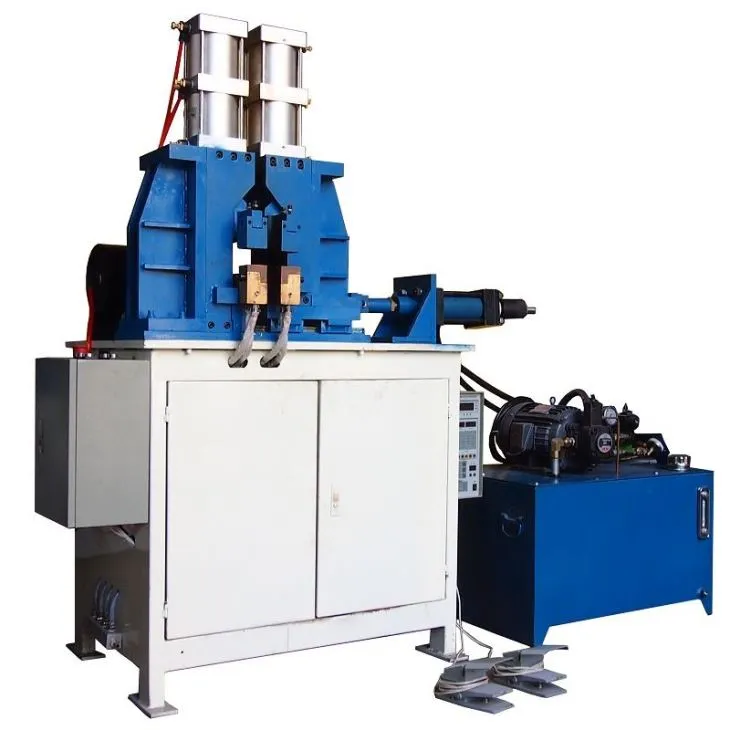

Major Upgrades
Major upgrades, on the other hand, involve more substantial changes to the equipment. This could include upgrading the power source to increase the welding capacity, installing a new welding head for better precision, or integrating advanced automation features. Major upgrades often require significant downtime for installation and testing, and they can be quite expensive. The cost of major upgrades can range from several thousand dollars to tens of thousands of dollars, depending on the complexity of the upgrade and the specific equipment being used.
2. Equipment Brand and Quality
The brand and quality of the butt welding equipment also play a significant role in determining the cost of an upgrade. Well-established brands with a reputation for quality and reliability often come with a higher price tag. However, investing in high-quality equipment can provide long-term benefits, such as improved performance, reduced maintenance costs, and a longer lifespan.
When considering an upgrade, it's important to balance the initial cost with the long-term value. Cheaper equipment may seem like a more affordable option upfront, but it may require more frequent repairs and replacements, which can add up over time. On the other hand, high-quality equipment may have a higher initial cost, but it can provide better performance and reliability, ultimately saving you money in the long run.
3. Customization Requirements
If you have specific customization requirements for your butt welding equipment, this can also increase the cost of the upgrade. Customization may include modifying the equipment to fit specific production requirements, integrating it with existing manufacturing systems, or adding specialized features.
Customization often requires additional engineering and design work, which can add to the overall cost of the upgrade. It's important to discuss your customization requirements with your equipment supplier early in the process to ensure that they can be accommodated within your budget.
4. Labor and Installation Costs
In addition to the cost of the equipment and any customization, you'll also need to factor in the labor and installation costs associated with the upgrade. Installing new equipment or upgrading existing equipment often requires skilled technicians to ensure that it is installed correctly and safely.
The labor and installation costs can vary depending on the complexity of the upgrade and the location of your facility. In some cases, the equipment supplier may offer installation services as part of the package, while in other cases, you may need to hire a third-party installation company. It's important to get quotes from multiple installation providers to ensure that you're getting a fair price.
5. Training and Support
Once the upgrade is complete, it's important to ensure that your operators are properly trained to use the new equipment. Training can help improve productivity, reduce the risk of accidents, and ensure that the equipment is used to its full potential.
The cost of training can vary depending on the type of equipment and the level of training required. Some equipment suppliers may offer training as part of the package, while in other cases, you may need to hire a third-party training provider. It's also important to consider the ongoing support and maintenance services that will be available after the upgrade. This can include technical support, software updates, and spare parts availability.
Cost Examples
To give you a better idea of the cost of upgrading butt welding equipment, here are some examples based on different types of upgrades:
Minor Upgrade Example
Let's say you have an older Steel Bar Butt Welder that is experiencing some issues with the welding electrodes. You decide to upgrade the electrodes to a higher-quality model and also replace the worn-out cables. The cost of the new electrodes is around $500, and the cost of the cables is around $300. In addition, you hire a technician to install the new components, which costs around $200. The total cost of this minor upgrade is around $1,000.
Major Upgrade Example
Now, let's say you have a Rebar Butt Welding Machine that is outdated and no longer meets your production requirements. You decide to upgrade the power source to increase the welding capacity, install a new welding head for better precision, and integrate advanced automation features. The cost of the new power source is around $10,000, the cost of the new welding head is around $5,000, and the cost of the automation system is around $8,000. In addition, you hire a team of technicians to install and test the new equipment, which costs around $3,000. The total cost of this major upgrade is around $26,000.
Conclusion
Upgrading butt welding equipment can be a significant investment, but it can also provide numerous benefits, such as improved productivity, better quality welds, and reduced maintenance costs. When considering an upgrade, it's important to carefully evaluate your needs and budget, and to work with a reputable equipment supplier who can provide you with the best possible solution.
If you're interested in learning more about upgrading your butt welding equipment or would like to discuss your specific requirements, please don't hesitate to contact us. Our team of experts is here to help you make the right decision and ensure that you get the most out of your investment.
References
- Industry reports on butt welding equipment technology and market trends.
- Manufacturer specifications and pricing guides for butt welding equipment.
- Case studies of companies that have upgraded their butt welding equipment.


